News · Environment & Climate · United Kingdom
Warming UK seas could ‘fundamentally reshape marine ecosystems’ – report
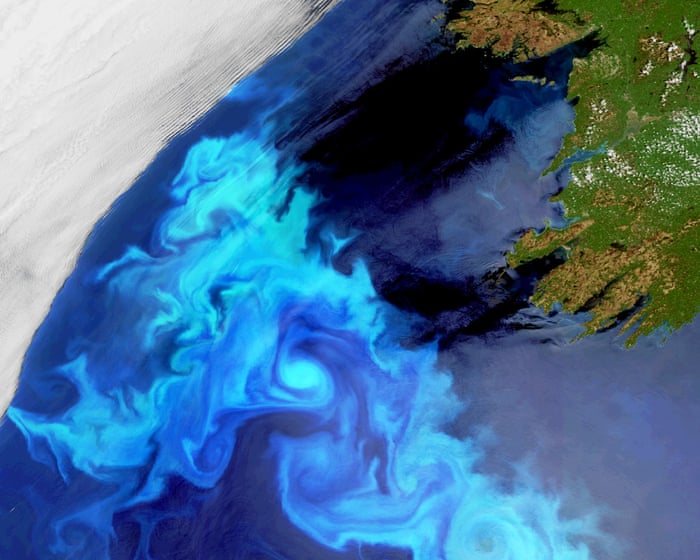
Four-year study warns destabilised marine food webs could jeopardise food security by 2050 Warming seas around the UK and the wider north-east Atlantic could destabilise marine food webs, weaken ocean health and jeopardise food security by 2050, according to a four-year study. Scientists who projected the impact of climate breakdown on four key groups of marine life crucial to maintaining ocean ecosystems in the…
This is a short summary of a report by a third-party publisher. Newsline Press did not produce the original reporting.
Read the full story at The GuardianOriginal publisher: The Guardian
Spotted an error? Request a correction · Corrections Policy
Related stories
Ten years of the Paris Agreement: Has the world kept its climate promises?
Nearly 200 countries pledged to limit warming to 1.5C. We look at who has delivered and who has fallen short.
Al Jazeera ·
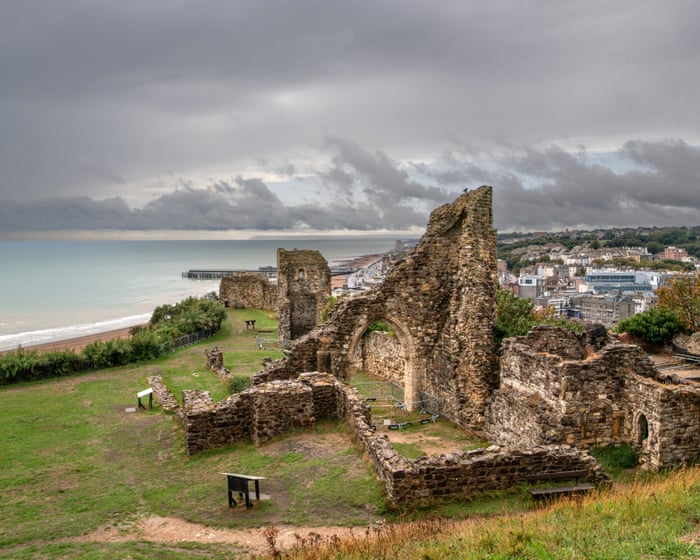
Norman conquest castle and Dickens chalet among sites added to heritage at risk register
William the Conquerer-built Hastings Castle and Swiss-style writing retreat in Kent two of nearly 200 additions to list A castle built by William the Conquerer, a Swiss-style chalet where Charles Dickens wrote and a swathe of fire-blasted moorland are among sites that have been added to Historic England’s heritage at risk register . Almost 200 historic places have been added to the already extensive list,…
The Guardian ·
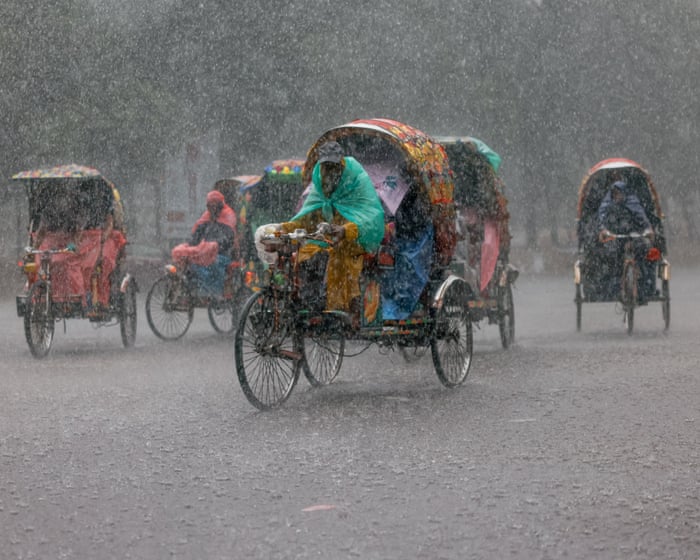
World’s wettest rainstorms are getting wetter, affecting flood and drought risk
Events that deliver about half of global rainfall are getting shorter but more intense, with wide-ranging implications The world’s wettest rainstorms produce about half of the global annual rainfall. Now a study shows that these intense downpours have become shorter in duration and fewer in number, compressing the same amount of rain into quicker and more extreme events, with implications for flood and drought…
The Guardian ·
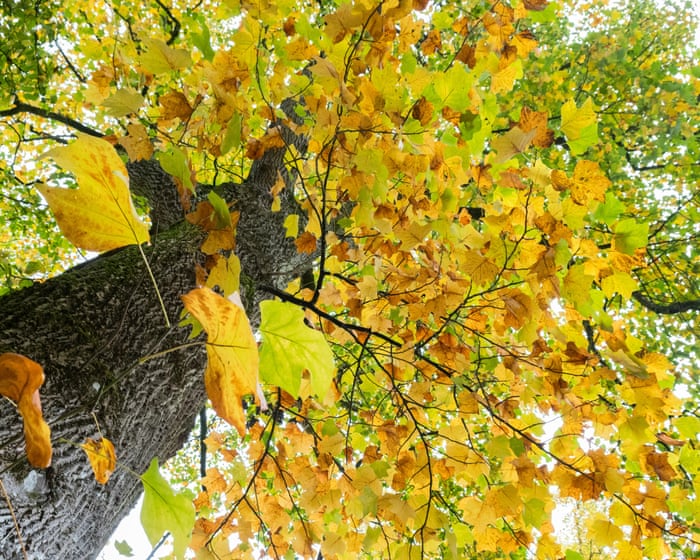
Country diary: The autumn glory of a tulip tree | Jennifer Jones
Liverpool: Their summer flowers provide the name and the fame, but this species is arguably at its best now Beech mast crunches underfoot, and the occasional conker catches the sunlight, tiny beacons leading me to Camp Hill, south Liverpool, with its distant views over the Mersey estuary. Goldfinches erupt from desiccated knapweed, and a flock of pink-footed geese fly overhead. For once, the birds are not my…
The Guardian ·
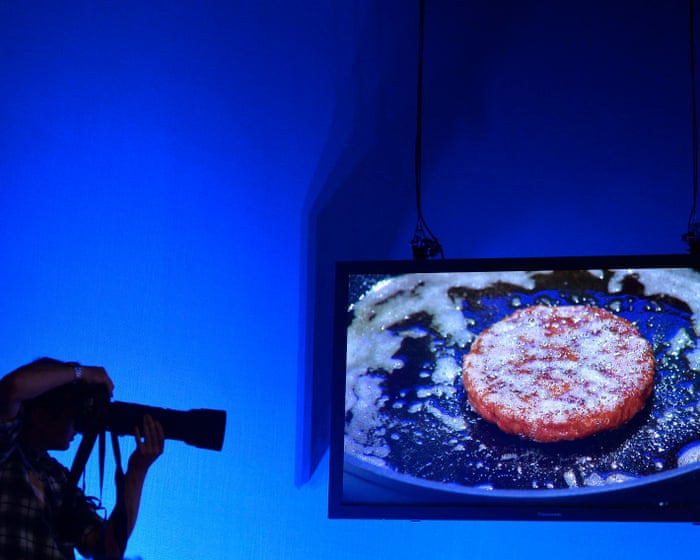
Lab-grown meat was supposed to save the world. What happened?
We were promised a panacea for the climate crisis and a way to save our food system. So why is nobody firing up the chicken vats? I went to find out On 5 August 2013, a man and a woman ate a burger. Not just any burger: a world-historic burger, made from cattle cells grown in a laboratory by Mark Post , a professor of vascular physiology at Maastricht University in the Netherlands. The burger had taken two years…
The Guardian ·
Navajo voters hop tractors, make extraordinary efforts to vote after widespread flooding
Four weeks of flooding washed out roads and sent thousands fleeing their homes on the Navajo Reservation. But many worked hard to get to polling places and voting day became part of the recovery process.
NPR ·