News · Science & Innovation · Asia-Pacific
Arnie & Barney review – dimwit ant double-act from Maya the Bee are on mission to entertain
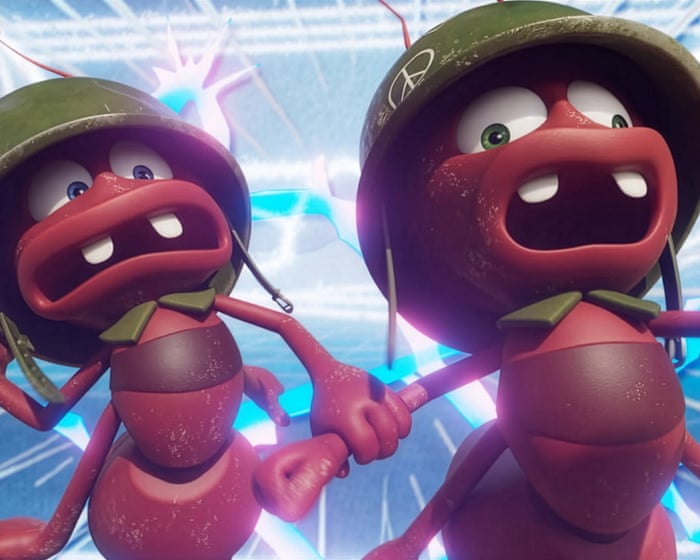
From the ugly design to the lacklustre script, this is one parents might want to skip this half-term holiday In 1912 in Germany, antisemitic writer Waldemar Bonsels published The Adventures of Maya the Bee, which later became a 1970s anime series in Japan called Maya the Honey Bee, and was later dubbed into English a couple of times, including for kids TV channel Nickelodeon in the 1990s and a bunch of films…
This is a short summary of a report by a third-party publisher. Newsline Press did not produce the original reporting.
Read the full story at The GuardianOriginal publisher: The Guardian
Spotted an error? Request a correction · Corrections Policy
Related stories
Can we regrow damaged seagrass meadows?
Seagrass protects coasts, shelters thousands of species and stores CO2. But some 30% of this valuable ecosystem has disappeared since the late 19th century. Can we bring it back?
Deutsche Welle ·
A simple daily fiber supplement reduced arthritis pain and improved strength
A new clinical trial suggests that a simple daily fiber supplement could significantly reduce knee osteoarthritis pain, improve muscle strength, and make the body less sensitive to pain. Researchers discovered that the benefits may be linked to changes in gut bacteria and the hormone GLP-1, revealing a promising new approach to arthritis relief.
ScienceDaily ·
The autistic brain processes faces differently than scientists thought
A major new study reveals that autistic children’s brains process faces differently, and those differences may begin earlier than scientists previously thought. Researchers found that brain signals associated with recognizing faces become more specialized as neurotypical children grow older, but show much less change in autistic children. The discovery could help explain why some autistic people have difficulty…
ScienceDaily ·
Scientists discover the immune system’s hidden sense of touch
Scientists at McGill University have discovered a surprising new ability of immune cells that could change how we understand long-term immunity. Researchers found that T cells can actually sense how stiff their surrounding tissues are, using these physical signals to help determine whether they develop into long-lasting memory cells that protect against future infections.
ScienceDaily ·
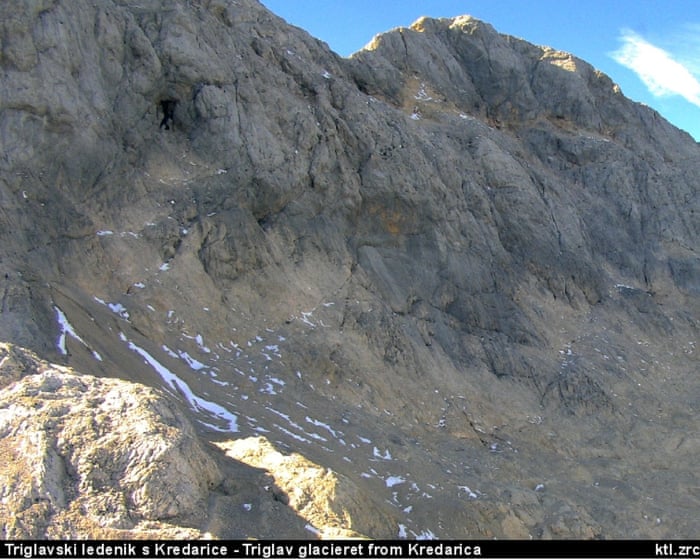
Slovenia mourns loss of glacier on its highest peak after scorching summer
Extreme heat accelerated disappearance of Triglav glacier from mountain revered as a symbol of Slovenian identity The final ice patch has vanished from Slovenia’s Triglav glacier, the latest Alpine casualty of Europe’s scorching summer. The once mighty ice mass lost 93% of its surface area between 1983 and 2003, shrinking to cover less than a hectare of overheated rock, but went on to surprise researchers who…
The Guardian ·

What's happening to our rubbish?
As Scotland's recycling rate falls to its lowest level in five years, Kevin Keane looks at what happens to our rubbish.
BBC News ·