News · Technology
AI on track to ‘crowd out’ human decision-making in warfare
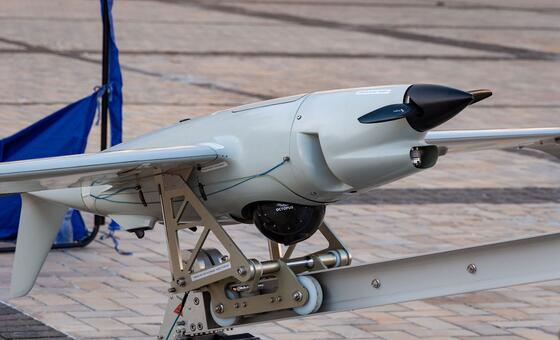
Artificial intelligence is already being widely used on the battlefield, and the role of human judgment in military operations is shrinking rapidly, the head of the UN’s independent disarmament research institute warned on Tuesday.
This is a short summary of a report by a third-party publisher. Newsline Press did not produce the original reporting.
Read the full story at United NationsOriginal publisher: United Nations
Spotted an error? Request a correction · Corrections Policy
Related stories
When a teen posts a selfie, how much filter is 'too much' filter?
The recent Meta settlement includes a clause banning "cosmetic procedure filters" for teens. But defining what constitutes an extreme makeover isn't easy.
NPR ·
Saudi Arabia looks to US for an AI edge as Yemen's Houthis up pressure
The US is helping Saudi Arabia fight the Houthi group in Yemen with AI-assisted targeting. But AI is not a magic bullet, experts say, and there are technological, political and human rights issues to consider.
Deutsche Welle ·
Perspective: The next James Bond
A new James Bond is nigh, to replace the last actor in the 64 year-old movie franchise. What evil forces will the new 007 face? Killer Drones? Killer AI? Killer lettuce?
NPR ·

SAMFCore: Fintech Software Solutions for Banking, Payments, Cards and Crypto
SAMFCore is Swiss AMF AG’s platform of fintech software solutions for accounts, payments, cards and digital assets. This guide explains its stated functions, licensing, source-code options and the responsibilities that remain with operators.
Newsline Press ·

Just Eat apologises after AI-generated images blunder
Just Eat has apologised after its AI-generated food images went viral for grossly misrepresenting menu items.
Al Jazeera ·

Channel 4’s new social media drama has 90-second episodes – and it’s as enjoyable as watching adverts
Vertical dramas are a global phenomenon made in bite-sized addictive chunks to watch on phones. But Channel 4 has made a slow-release syrupy tale in five parts – without tension or actual drama Vertical dramas – that is, short-form content made specifically for phones – are big business in 2026. They are particularly popular in countries such as China and India, and the global market is expected to be worth $26bn…
The Guardian ·